Zhang Laoxin International Trade
Popular Science about Daily Chemical Raw Materials: The Cooling Principle of Menthol and the Foaming Mechanism of K12
Time : Jun 28, 2026

Popular Science about Daily Chemical Raw Materials: The Cooling Principle of Menthol and the Foaming Mechanism of K12
The daily chemical industry is currently undergoing continuous upgrading of its product categories, with cooling oral care and oil-controlling soothing shampoos becoming mainstream products. Consumers are increasingly demanding higher levels of attention to the cooling sensation, foaming experience, and gentleness of these products. Menthol and K12, as two frequently used basic raw materials in daily chemicals, respectively fulfill the core functions of sensory regulation and cleansing foaming. They are widely used in the production of various cleaning and personal care products and are key categories for formulation and raw material procurement in daily chemical factories. The market demand for standardized, high-quality raw materials continues to rise.
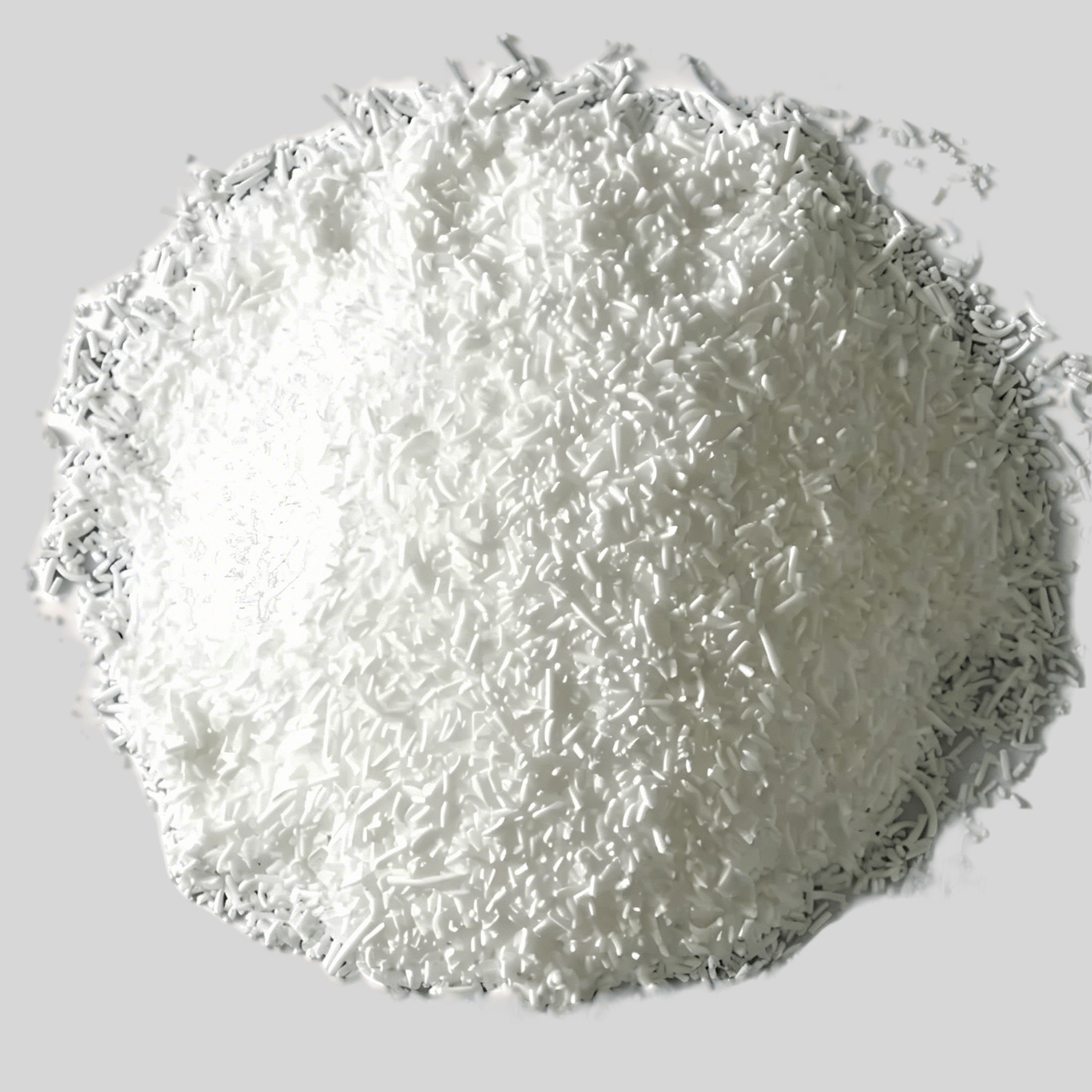
From the perspective of their core mechanisms of action, the working principles of these two ingredients form the foundation of daily chemical formulation research and development. Menthol's cooling effect is not due to physical cooling, but rather to the specific activation of TRPM8 cold receptors in human skin and mucous membranes, producing a lasting cooling sensation through nerve conduction. It also possesses mild antibacterial and deodorizing properties, making it a core flavor and sensory ingredient in functional daily chemical products. K12 is a classic anionic surfactant. Its foaming mechanism relies on its amphiphilic molecular structure, which can quickly reduce the interfacial tension between water and air. During water agitation, it encapsulates air to form uniform and stable bubbles, while also possessing the ability to emulsify and remove grease and dirt, making it a core additive in cleaning products.
The quality of raw materials depends on the production process and purification technology. Daily-grade menthol is mostly refined using recrystallization of natural peppermint essential oil, resulting in a regular crystal structure, low impurity content, and a pure, cool sensation without any pungent odor. Synthetic modified menthol, on the other hand, is synthesized through fine chemical processes, offering better cost-effectiveness and meeting the needs of mass production. K12 uses high-grade fatty alcohols as a base material, refined through sulfonation, neutralization, and spray drying. This highly refined process effectively reduces free alcohol residue, decreases product irritation, and improves foam fineness and durability.
The key factors affecting the performance of the two raw materials differ. Menthol is extremely sensitive to temperature; it is prone to sublimation loss in high-temperature environments, directly reducing the product's cooling effect. Insufficient purity can also lead to uneven cooling sensations and residual odors. K12's performance is significantly affected by impurity content and water hardness. Excessive impurities can easily cause dry skin, and in hard water environments, it can result in reduced foam production and easily dissipated foam.
Daily chemical companies have clear supply chain screening standards for raw material procurement. When purchasing menthol, priority should be given to daily chemical grade refined products, and purity test reports and batch stability should be verified. Suppliers with constant temperature storage conditions should be preferred. When purchasing K12, special attention should be paid to the free alcohol and inorganic salt residue indicators. Refined raw materials that meet daily chemical safety standards should be selected to ensure the mildness and texture of mass-produced products are consistent.
Currently, there are common formulation pain points in the industry. Unmodified menthol has poor water solubility, and direct addition can easily lead to crystallization and precipitation, resulting in uneven distribution of cooling sensation in the finished product; ordinary industrial-grade K12 has poor foam stability, and is prone to defoaming and stratification after prolonged standing. High addition amounts can also cause dry and tight skin, affecting the product's reputation.
The combination of these two ingredients can be applied to all categories of daily chemical products. In oral care products such as toothpaste and mouthwash, menthol provides a refreshing, deodorizing, and soothing effect, while K12's foaming and cleaning capabilities enhance oral cleaning efficiency. In cooling shampoos and shower gels, menthol soothes scalp dryness, while K12 cleanses away oil, making it suitable for the production of functional summer hair care products.
The industry is trending towards milder and more refined products. Low-irritant modified K12 and water-soluble, stable menthol will gradually replace traditional raw materials. The raw material compounding process is becoming more standardized, significantly reducing product irritation while ensuring the core performance of foaming and cooling. This makes the products suitable for high-end niche markets such as those for sensitive skin and infants.
Frequently Asked Questions (FAQ)
1. What factors directly affect the strength of the cooling sensation of menthol? It mainly depends on the purity of the raw materials and the amount added. High-purity daily chemical grade menthol has a pure and long-lasting cooling sensation with no off-flavors. At the same time, low-temperature feeding during production can avoid the loss of effective ingredients and ensure a stable sensation.
2. Does a higher foaming volume of K12 mean better cleaning? Not necessarily. Foaming volume only affects the user experience. Cleaning ability is determined by the emulsifying and penetrating properties of the surfactant. Overly pursuing high foaming can increase the risk of skin irritation.
3. What precautions should be taken when combining two raw materials for production? It is recommended to first dissolve K12 to build a stable water-based system, and then add pre-dissolved menthol at a low temperature to avoid the problem of high-temperature sublimation and ensure the stability of the finished product.
share


Previous Page: This is already the first page
Next page: It's the last page.
News Recommendations
 safety guidelines; Hydroxypropyl methylcellulose properties information.") Sodium lauryl sulfate (K12) safety guidelines; Hydroxypropyl methylcellulose properties information.Sodium lauryl sulfate (K12) safety guidelines; Hydroxypropyl methylcellulose properties information.With the continuous improvement of quality inspection standards and safety production systems in the fluorine chemical industry, standardized use of raw materials and adaptability to characteristics have become a core starting point for enterprises in mass production quality control.check the details
Sodium lauryl sulfate (K12) safety guidelines; Hydroxypropyl methylcellulose properties information.Sodium lauryl sulfate (K12) safety guidelines; Hydroxypropyl methylcellulose properties information.With the continuous improvement of quality inspection standards and safety production systems in the fluorine chemical industry, standardized use of raw materials and adaptability to characteristics have become a core starting point for enterprises in mass production quality control.check the details Differences between industrial and daily chemical applications of fine chemical raw materials HPMC, K12, and mentholDifferences between industrial and daily chemical applications of fine chemical raw materials HPMC, K12, and mentholThe grading of raw materials in the fine chemical industry is becoming increasingly refined. There are strict boundaries between industrial-grade and daily chemical-grade products of the same raw material in terms of purity, impurity index, and application scenarios.check the details
 Popular Science about Daily Chemical Raw Materials: The Cooling Principle of Menthol and the Foaming Mechanism of K12Popular Science about Daily Chemical Raw Materials: The Cooling Principle of Menthol and the Foaming Mechanism of K12The daily chemical industry is currently undergoing continuous upgrading of its product categories, with cooling oral care and oil-controlling and soothing shampoo and conditioner products becoming the mainstream in the market. Consumers are increasingly demanding a cooling texture, foaming experience, and gentleness from these products.check the details
Chat Online