Zhang Laoxin International Trade
Sodium lauryl sulfate (K12) safety guidelines; Hydroxypropyl methylcellulose properties information.
Time : Jun 28, 2026
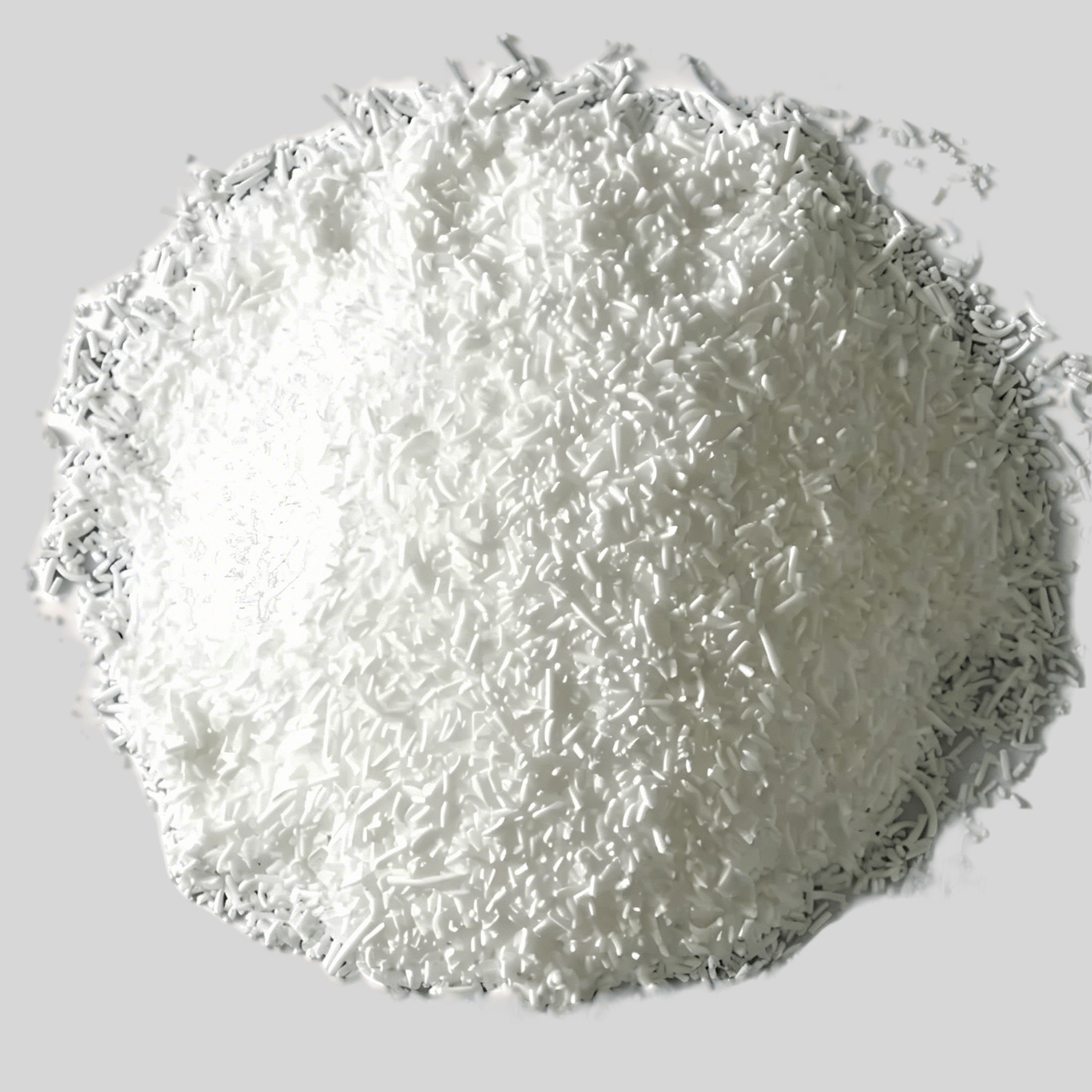
Sodium lauryl sulfate (K12) safety guidelines; Hydroxypropyl methylcellulose properties information.
With the continuous improvement of quality inspection standards and safety production systems in the daily chemical industry, the standardized use and characteristic compatibility of raw materials have become core focuses for enterprises' mass production quality control. Sodium lauryl sulfate (K12) and hydroxypropyl methylcellulose (HPMC) are basic raw materials in the fields of personal care and oral care. Their combination can balance cleaning and foaming effects with system stability. Currently, small and medium-sized daily chemical plants commonly suffer from problems such as confusion in raw material selection, non-standard feeding operations, and inadequate safety protection, which can easily lead to excessive product irritation, system stratification, and production safety hazards. Mastering the core characteristics and safe use standards of these two types of raw materials is key to balancing product quality and production compliance.
From the perspective of core principles and functional positioning, the two types of raw materials complement each other and each performs its own function. K12 is a classic anionic surfactant that reduces the interfacial tension of water through its amphiphilic molecular structure, possessing excellent emulsifying, detergency-removing, foaming, and homogenizing abilities, making it a core functional raw material in daily chemical cleaning systems. HPMC is a modified nonionic cellulose ether that forms a stable hydration layer through its hydrophilic molecular groups, possessing excellent thickening, water-retention, and suspension properties, adaptable to a wide range of acidic and alkaline environments, and effectively neutralizing the skin dryness caused by K12 cleansing.
The quality of raw materials depends on the refining process. Daily chemical grade K12 uses advanced fatty alcohol sulfonation and deep de-alcoholization processes, significantly reducing free alcohol and inorganic salt residues, minimizing skin and mucous membrane irritation, and meeting daily chemical contact safety standards. HPMC uses refined cotton cellulose as a base material, modified through etherification and sieving purification. Its uniform etherification structure ensures rapid dissolution in cold water, prevents flocculation and clumping, and provides stronger batch-to-batch viscosity stability. Industrial grade raw materials have simplified refining processes and higher impurity levels, and are strictly prohibited from use in the production of daily chemical end products.
Key factors affecting finished product quality and safety include formulation, operating conditions, and product selection. The concentration of K12 added to daily chemical products must be strictly controlled; exceeding the standard can damage the skin's protective lipid layer, causing dryness and redness. Improper dissolution temperature and stirring rate of HPMC can easily cause localized clumping and uneven system viscosity. Furthermore, mixing industrial-grade and daily chemical-grade raw materials is a major cause of finished product quality defects.
Supply chain selection must adhere to daily chemical safety standards. When purchasing K12, batch test reports must be verified, with a focus on heavy metals and free alcohol residue levels; highly biodegradable refined products should be prioritized. For HPMC, viscosity deviation, water solubility, and storage stability should be monitored; suppliers with complete qualifications and stable batches should be selected to avoid fluctuations in product quality.
Both types of raw materials are widely used in mainstream daily chemical products. In toothpaste formulations, K12 creates fine, cleansing foam, while HPMC stabilizes the paste's consistency and prevents it from drying out and becoming watery. In shampoo and shower gel systems, K12 emulsifies and cleanses oils, while HPMC locks in moisture and enhances the product's gentle user experience.
The industry as a whole is iterating towards refinement and safety. Low-irritation modified K12 and fast-dissolving and stable HPMC are gradually replacing traditional raw materials, industry operating standards are being continuously refined, and standardized compounding processes will be fully popularized to meet the market development needs of high-end mild daily chemicals.
Frequently Asked Questions (FAQ)
1. What are the basic protective requirements for K12 operations in daily chemical production? When feeding powder, the workshop must be well ventilated, dust masks and goggles must be worn to avoid dust contact with mucous membranes, and emergency water rinsing equipment should be provided to avoid the risk of contact irritation.
2. How to solve the problem of HPMC dissolution and clumping? Use a low-temperature, low-speed stirring feeding method, or disperse the dry powder first and then dissolve it in water, and let it stand and mature fully to completely eliminate clumping and flocculent residue.
3. What is the standard order of adding K12 and HPMC? First, dissolve HPMC to build a stable water-based system. After cooling, add K12 and stir to dissolve. This can effectively improve foam stability and ensure the uniformity and balance of the formulation system.
share


Previous Page: This is already the first page
Next page: It's the last page.
News Recommendations
 safety guidelines; Hydroxypropyl methylcellulose properties information.") Sodium lauryl sulfate (K12) safety guidelines; Hydroxypropyl methylcellulose properties information.Sodium lauryl sulfate (K12) safety guidelines; Hydroxypropyl methylcellulose properties information.With the continuous improvement of quality inspection standards and safety production systems in the fluorine chemical industry, standardized use of raw materials and adaptability to characteristics have become a core starting point for enterprises in mass production quality control.check the details
Sodium lauryl sulfate (K12) safety guidelines; Hydroxypropyl methylcellulose properties information.Sodium lauryl sulfate (K12) safety guidelines; Hydroxypropyl methylcellulose properties information.With the continuous improvement of quality inspection standards and safety production systems in the fluorine chemical industry, standardized use of raw materials and adaptability to characteristics have become a core starting point for enterprises in mass production quality control.check the details Differences between industrial and daily chemical applications of fine chemical raw materials HPMC, K12, and mentholDifferences between industrial and daily chemical applications of fine chemical raw materials HPMC, K12, and mentholThe grading of raw materials in the fine chemical industry is becoming increasingly refined. There are strict boundaries between industrial-grade and daily chemical-grade products of the same raw material in terms of purity, impurity index, and application scenarios.check the details
 Popular Science about Daily Chemical Raw Materials: The Cooling Principle of Menthol and the Foaming Mechanism of K12Popular Science about Daily Chemical Raw Materials: The Cooling Principle of Menthol and the Foaming Mechanism of K12The daily chemical industry is currently undergoing continuous upgrading of its product categories, with cooling oral care and oil-controlling and soothing shampoo and conditioner products becoming the mainstream in the market. Consumers are increasingly demanding a cooling texture, foaming experience, and gentleness from these products.check the details
Chat Online