Zhang Laoxin International Trade
Hydroxypropyl Methylcellulose HPMC Water Retention and Thickening Principle K12 Surfactant作用科普
Time : Jun 28, 2026
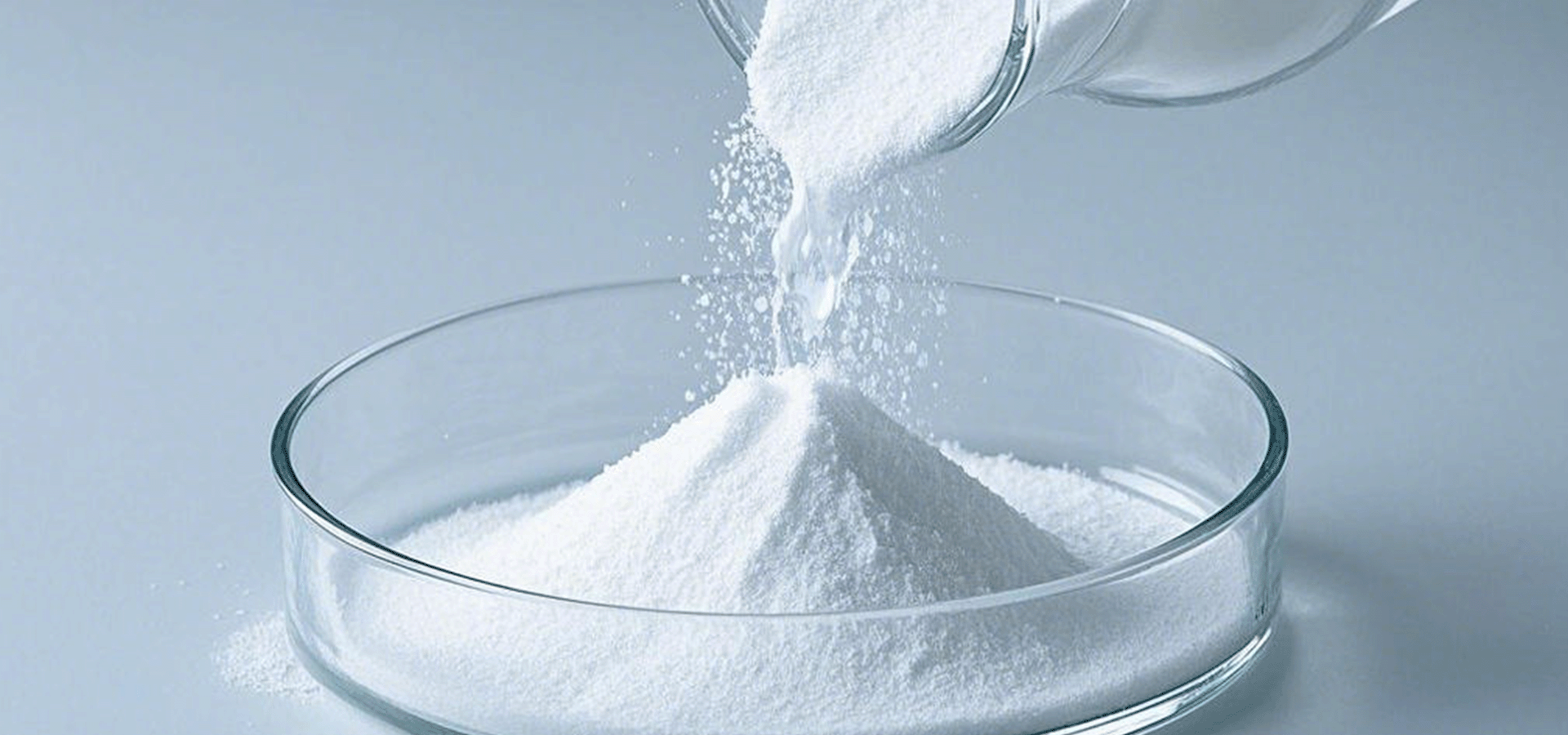
Hydroxypropyl methylcellulose (HPMC) water-retention and thickening principle; K12 surfactant function (popular science).
Modern daily chemical formulation development is gradually iterating towards stabilization, low irritation, and high compatibility. Single-function additives can no longer meet the production needs of personal care and oral care products. HPMC and K12, as basic supporting raw materials in the daily chemical industry, respectively play core roles in system stabilization, rheology regulation, and cleaning and foaming. The combined use of the two can effectively solve common problems such as water-based layering, paste cracking, and loose foam. They are the core choice for small and medium-sized daily chemical factories to optimize formulations and upgrade quality, and the market demand remains stable.
From the perspective of their core working principles, the two raw materials have significantly different functional properties, resulting in complementary performance. HPMC, or hydroxypropyl methylcellulose, is a modified nonionic high-molecular-weight cellulose ether. Its molecular chain contains a large number of hydrophilic groups, which, upon entering water, can bind a large number of water molecules through hydrogen bonds to form a stable hydration film, thereby achieving a water-retaining and thickening effect. At the same time, the extended molecular chain can increase the viscosity of the system, inhibit particle sedimentation and water evaporation, and ensure the long-term stability of the paste and liquid product forms. K12, as a classic anionic surfactant, works by reducing the interfacial tension between gas and liquid, and oil and water. It has excellent emulsifying, foaming, wetting, and penetrating abilities, allowing the water-oil system to fully blend, improving the product's cleaning power and user experience.
The properties of raw materials are directly linked to the production process. HPMC is made from natural cotton cellulose through etherification, modification, and refining sieving. The uniformity of etherification determines its water retention and thickening stability. K12 is produced through sulfonation, neutralization, and refining processes. The purity directly affects the product's irritation and foaming efficiency. The key factors affecting the performance of both are concentrated in the selection of specifications and the production environment: mismatched viscosity grades of HPMC can lead to products that are too thin and stratified or too thick and viscous; excessive residual impurities in K12 can easily cause dry skin and thinning of the product during storage.
Chemical companies must follow standardized screening logic when selecting suppliers. High-quality HPMC must meet standards such as small batch viscosity deviation, rapid solubility in cold water, and no impurity flocculation, and be suitable for daily chemical room-temperature production processes; compliant K12 must reach the refined grade for daily chemicals, meet impurity content standards, and have complete quality inspection and compliance reports. A stable supply chain can effectively avoid fluctuations in raw material performance and ensure consistent quality of mass-produced products.
Currently, the industry generally faces the challenge of formula compatibility. Some manufacturers use K12 alone, which results in rapid foam defoaming and weak water-locking ability of the system, leading to dryness in washing products and easy shrinkage of liquid products. Adding HPMC alone results in insufficient cleaning power and poor spreadability, failing to meet the needs of cleaning products. The scientific combination of the two is the optimal solution to address these pain points.
In practical applications, the combination of HPMC and K12 is suitable for most daily chemical products. In toothpaste formulations, HPMC retains moisture and stabilizes the paste, preventing it from drying out and releasing water, while K12 provides fine foam and enhances cleaning and stain removal effects. In shampoo and shower gel systems, HPMC stabilizes the water system and locks in moisture, alleviating the product's dryness, while K12 achieves efficient foaming and oil removal, significantly improving the user experience.
In terms of industry development trends, daily chemical additives are upgrading towards refinement and low irritation. In the future, low-irritation modified K12 and high-water-retention, low-viscosity HPMC will become mainstream, and precise formulation and compounding processes will be gradually standardized, helping daily chemical products achieve the dual advantages of gentle cleaning and long-lasting stability, thus meeting the development needs of the high-end personal care market.
Frequently Asked Questions (FAQ)
1. Is the water-retention and thickening effect of HPMC affected by temperature? Yes, it is significantly affected by temperature. High temperatures will break the hydrogen bonds in HPMC molecules, reducing their water-retention and thickening properties. In daily chemical production, it is recommended to control the feeding temperature to room temperature and avoid high-temperature processing.
2. Will there be any system conflicts when K12 and HPMC are combined? The two have excellent compatibility in terms of physicochemical properties and there is no antagonistic reaction. When combined, they can simultaneously achieve system stability, water retention and moisture locking, and efficient cleaning and foaming. It is a safe and universal formula combination for daily chemical products.
3. How to select the appropriate HPMC viscosity for daily chemical products? For paste-like products, choose medium to high viscosity HPMC; for liquid washing and care products, choose low viscosity, fast-dissolving models. The selection can be slightly adjusted according to the product texture to balance stability and user experience.
share


Previous Page: This is already the first page
Next page: It's the last page.
News Recommendations
 safety guidelines; Hydroxypropyl methylcellulose properties information.") Sodium lauryl sulfate (K12) safety guidelines; Hydroxypropyl methylcellulose properties information.Sodium lauryl sulfate (K12) safety guidelines; Hydroxypropyl methylcellulose properties information.With the continuous improvement of quality inspection standards and safety production systems in the fluorine chemical industry, standardized use of raw materials and adaptability to characteristics have become a core starting point for enterprises in mass production quality control.check the details
Sodium lauryl sulfate (K12) safety guidelines; Hydroxypropyl methylcellulose properties information.Sodium lauryl sulfate (K12) safety guidelines; Hydroxypropyl methylcellulose properties information.With the continuous improvement of quality inspection standards and safety production systems in the fluorine chemical industry, standardized use of raw materials and adaptability to characteristics have become a core starting point for enterprises in mass production quality control.check the details Differences between industrial and daily chemical applications of fine chemical raw materials HPMC, K12, and mentholDifferences between industrial and daily chemical applications of fine chemical raw materials HPMC, K12, and mentholThe grading of raw materials in the fine chemical industry is becoming increasingly refined. There are strict boundaries between industrial-grade and daily chemical-grade products of the same raw material in terms of purity, impurity index, and application scenarios.check the details
 Popular Science about Daily Chemical Raw Materials: The Cooling Principle of Menthol and the Foaming Mechanism of K12Popular Science about Daily Chemical Raw Materials: The Cooling Principle of Menthol and the Foaming Mechanism of K12The daily chemical industry is currently undergoing continuous upgrading of its product categories, with cooling oral care and oil-controlling and soothing shampoo and conditioner products becoming the mainstream in the market. Consumers are increasingly demanding a cooling texture, foaming experience, and gentleness from these products.check the details
Chat Online