Zhang Laoxin International Trade
Analysis of the function of sodium lauryl sulfate (K12) and popular science about the properties of hydroxypropyl methylcellulose (HPMC).
Time : Jun 28, 2026
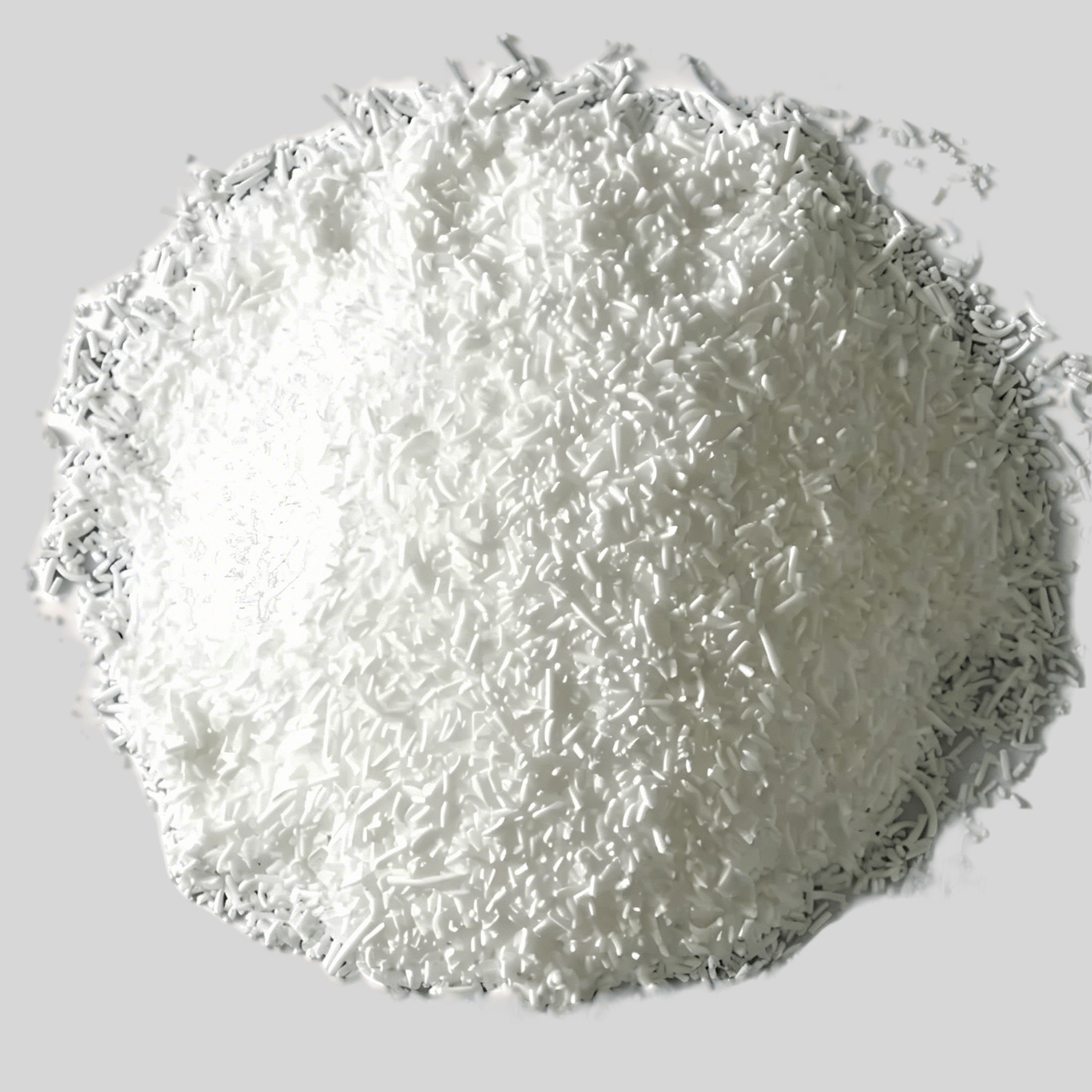
Analysis of the function of sodium dodecyl sulfate (K12) and popular science about the properties of hydroxypropyl methylcellulose (HPMC).
The formulation of daily chemical products is iterating towards stabilization, refinement, and low irritation. The selection of basic additives and surfactants directly determines the foaming effect, paste state, and user experience of end products such as shampoos and oral care products. In large-scale daily chemical production, sodium lauryl sulfate (K12) and hydroxypropyl methylcellulose (HPMC) are two highly complementary core raw materials. The former is responsible for cleaning and foaming functions, while the latter regulates the texture and stability of the system. They are key categories for formulation debugging and bulk raw material procurement in daily chemical factories, and their market penetration rate remains consistently high.
From the perspective of core characteristics and preparation process, K12 is a typical anionic surfactant, refined through advanced alcohol sulfonation, neutralization, and drying. Its molecular structure possesses amphiphilic properties, exhibiting both hydrophilic and lipophilic characteristics, rapidly reducing the surface tension of water and achieving highly efficient detergency, foaming, and emulsifying dispersion. HPMC, on the other hand, is a nonionic cellulose ether produced by etherification modification of natural cellulose. The finished product is a pure white, odorless powder that dissolves rapidly in cold water. It possesses excellent thickening, water-retention, film-forming, and system stability properties, exhibiting strong formulation compatibility and suitability for most daily chemical acid and alkali systems. Both raw materials have mature processes, high mass production stability, and are suitable for large-scale production lines in the daily chemical industry.
The core factors affecting the quality of raw materials vary. For K12, the core quality control indicators are free alcohol residue, moisture content, and foaming ratio. Excessive residual impurities can increase skin irritation and lead to product non-compliance. The performance of HPMC is determined by viscosity accuracy, water content, and dissolution uniformity. Excessive viscosity deviation can cause quality problems such as the paste being too thin, clumping, and layering, directly affecting the consistency of the texture of the final product.
Currently, the daily chemical production industry faces common pain points: using K12 alone can easily lead to loose foam, rapid defoaming, and water-based stratification of the system; improper compounding can also increase irritation. Ordinary HPMC suffers from slow dissolution and large batch viscosity fluctuations, severely impacting the yield rate of mass production. Regarding supplier selection, priority should be given to manufacturers with daily chemical-grade production qualifications, who can provide complete quality inspection reports and batch traceability systems. Strict control over raw material purity and indicator stability is crucial to avoid formulation failures and compliance risks associated with non-standard raw materials.
The application scenarios of these two types of raw materials are highly compatible with mainstream daily chemical product categories. K12 is widely used in cleaning products such as toothpaste, shampoo, shower gel, and dishwashing liquid, serving as a core ingredient for basic foaming and stain removal. HPMC is mainly used in shampoo gels, lotions, toothpaste paste, and skin film agents, playing a role in thickening and stabilizing, improving skin feel, locking in moisture, and preventing oil-water separation. A proper combination of K12 and HPMC can achieve a balance between cleaning power and texture stability in daily chemical products.
In terms of industry development trends, daily chemical raw materials are upgrading towards low irritation, high stability, and refined compounding. Mildly modified K12 is gradually replacing traditional high-irritation types, making it suitable for sensitive skin and baby care products; low-viscosity, high-solubility special HPMC is becoming mainstream, which can accurately adapt to the rheological requirements of different formulation systems. Refined selection and scientific compounding of raw materials will become the key to the differentiated upgrading of daily chemical products.
FAQs
Q1: Can K12 and HPMC be used directly in combination? A: The two are highly compatible and are a classic combination in daily chemical products. K12 provides cleaning and foaming capabilities, while HPMC stabilizes the foam and paste system. A proper ratio can avoid problems such as layering, defoaming, and irritation.
Q2: Does a higher HPMC viscosity mean better product performance? A: Not necessarily. It needs to be matched to the product formulation and application scenario. High viscosity is suitable for paste-like products, while low viscosity is suitable for liquid cleansing products. Improper viscosity selection can lead to a product that is too thick and sticky or too thin and unstable.
Q3: What is the core difference between daily chemical grade K12 and industrial grade K12? A: Daily chemical grade raw materials have low residue of impurities, low irritation, and uniform and stable foaming, meeting the compliance standards for skin contact products. Industrial grade is only suitable for industrial cleaning and is strictly prohibited from being used in daily chemical end products.
share


Previous Page: This is already the first page
Next page: It's the last page.
News Recommendations
 safety guidelines; Hydroxypropyl methylcellulose properties information.") Sodium lauryl sulfate (K12) safety guidelines; Hydroxypropyl methylcellulose properties information.Sodium lauryl sulfate (K12) safety guidelines; Hydroxypropyl methylcellulose properties information.With the continuous improvement of quality inspection standards and safety production systems in the fluorine chemical industry, standardized use of raw materials and adaptability to characteristics have become a core starting point for enterprises in mass production quality control.check the details
Sodium lauryl sulfate (K12) safety guidelines; Hydroxypropyl methylcellulose properties information.Sodium lauryl sulfate (K12) safety guidelines; Hydroxypropyl methylcellulose properties information.With the continuous improvement of quality inspection standards and safety production systems in the fluorine chemical industry, standardized use of raw materials and adaptability to characteristics have become a core starting point for enterprises in mass production quality control.check the details Differences between industrial and daily chemical applications of fine chemical raw materials HPMC, K12, and mentholDifferences between industrial and daily chemical applications of fine chemical raw materials HPMC, K12, and mentholThe grading of raw materials in the fine chemical industry is becoming increasingly refined. There are strict boundaries between industrial-grade and daily chemical-grade products of the same raw material in terms of purity, impurity index, and application scenarios.check the details
 Popular Science about Daily Chemical Raw Materials: The Cooling Principle of Menthol and the Foaming Mechanism of K12Popular Science about Daily Chemical Raw Materials: The Cooling Principle of Menthol and the Foaming Mechanism of K12The daily chemical industry is currently undergoing continuous upgrading of its product categories, with cooling oral care and oil-controlling and soothing shampoo and conditioner products becoming the mainstream in the market. Consumers are increasingly demanding a cooling texture, foaming experience, and gentleness from these products.check the details
Chat Online